
Kilimanjaro Hiking Guide: Everything You Need to Know Before You Climb Africa’s Highest Peak
Standing at 5,895 meters, Mount Kilimanjaro is not just Africa’s highest mountain — it’s one of the most iconic adventures in the world.
Imagine trekking through lush rainforest, crossing alpine deserts, and finally standing above the clouds at Uhuru Peak. Climbing Kilimanjaro is a life-changing experience, but success depends on proper planning.
This Kilimanjaro Hiking Guide covers everything you need to know — from choosing the right route to preparing for the climb.

Why Climb Mount Kilimanjaro?
Kilimanjaro offers a unique trekking experience unlike any other mountain.
No technical climbing required
Diverse landscapes in one trek
One of the Seven Summits
Suitable for beginners with good fitness
It’s one of the few high-altitude mountains that can be climbed without mountaineering experience.
Kilimanjaro Hiking Guide: Best Routes to the Summit
Choosing the right route is one of the most important decisions.
Machame Route
Most popular route
Scenic and diverse
Good success rate
Marangu Route
Known as the “Coca-Cola” route
Hut accommodation instead of camping
Shorter but lower success rate
Lemosho Route
Less crowded
High success rate
Excellent for acclimatization
Rongai Route
Approaches from the north
Drier and quieter
Good for rainy season
Northern Circuit
Longest route
Best acclimatization
Highest success rate
Best Time to Climb Kilimanjaro
Weather plays a huge role in your experience.
January – March: Cooler, quieter, some snow at the summit
June – October: Best weather and most popular time
April – May: Rainy season (not recommended)
November: Short rains
The dry seasons are generally the best choice.
How Difficult is Kilimanjaro?
Climbing Kilimanjaro is physically demanding but achievable.
Main challenge: altitude sickness
Requires endurance, not technical skill
Summit night is the toughest part
With proper preparation and pacing, most people can reach the summit.
Kilimanjaro Hiking Guide: Cost of Climbing
The cost varies depending on the route and service level.
Budget: $1,500 – $2,000
Mid-range: $2,000 – $3,500
Luxury: $4,000+
Costs usually include:
Park fees
Guides and porters
Accommodation and meals
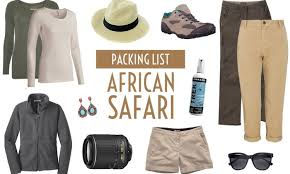
Essential Packing List
Packing correctly is key to success.
Warm clothing (very cold at summit)
Hiking boots
Sleeping bag
Headlamp
Water bottles or hydration pack
Layering is essential due to changing climates.
Training and Preparation Tips
Prepare your body before the climb.
Do regular cardio (hiking, running)
Practice hiking on inclines
Build stamina and endurance
Mental preparation is equally important
Tips for Reaching the Summit
Increase your chances of success:
Choose a longer route for better acclimatization
Walk slowly (“pole pole”)
Stay hydrated
Listen to your guide
Don’t skip acclimatization days
Why Choose a Local Operator
A good operator makes a huge difference.
Experienced mountain guides
Safety-focused approach
Better support and logistics
Ethical treatment of porters
Final Thoughts
Climbing Kilimanjaro is more than just a trek — it’s a journey of determination, resilience, and personal achievement.
This Kilimanjaro Hiking Guide gives you everything you need to prepare for one of the greatest adventures on Earth. With the right mindset and planning, reaching the summit is absolutely within your reach.


Comments